.png)
Chalk streams are one of the UK’s most distinctive and valuable freshwater habitats. Around 85% of the world’s chalk streams are found in England, making them globally rare.
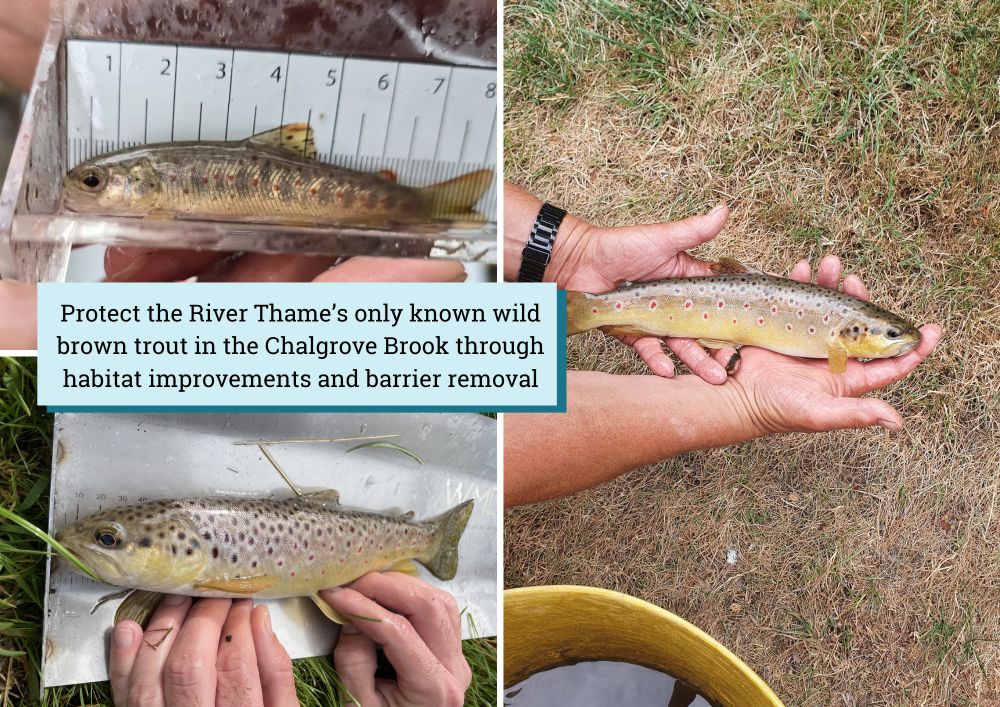
Chalk streams are fed by groundwater from chalk aquifers. These aquifers recharge during wetter months and provide baseflow to chalk streams all year round. This creates clear, mineral-rich water, cool, stable temperatures and steady, reliable flows. This unique combination of conditions supports a rich and specialised ecosystem, including aquatic plants like water crowfoot (Ranunculus), diverse invertebrates, and species such as brown trout and water vole.
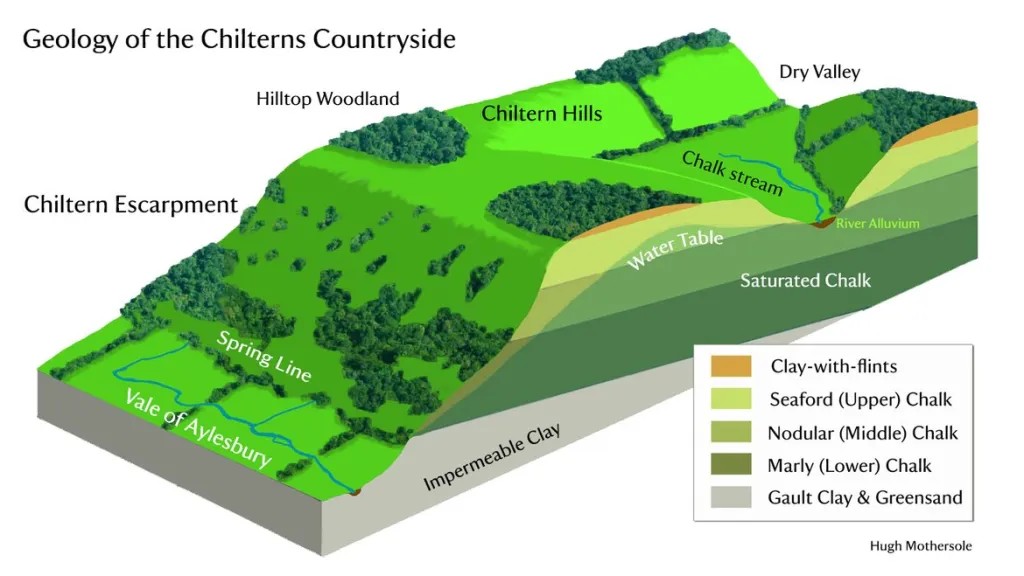
The chalk streams in the River Thame catchment are known as scarp slope chalk streams. These watercourses are fed by groundwater throughout the upper catchment located in the chalk geology. As the aquifer recharges, springs and seeps appear further up the chalk scarp slope, sometimes in different locations from previous observations.
The baseflow contribution from the chalk aquifer reaches its peak in spring, at the end of the wetter period and slowly depletes through summer. Chalk stream ecosystems and habitats can extend beyond the chalk geology into the surrounding greensand and clay geology due to the significant baseflow contribution from the chalk in the headwaters.
.png)
Although less well-known, scarp slope chalk streams are equally important as streams located in the chalk throughout their length. They support valuable habitats and a wide range of species, and form a critical part of the wider chalk stream network. Our Chalk Stream Strategy covers all tributaries of the River Thame that arise in the Chilterns.
The chalk streams of the River Thame catchment have been shaped by centuries of human activity. Many have been straightened, diverted away from their natural course; in some cases, they have been channelised or culverted entirely.
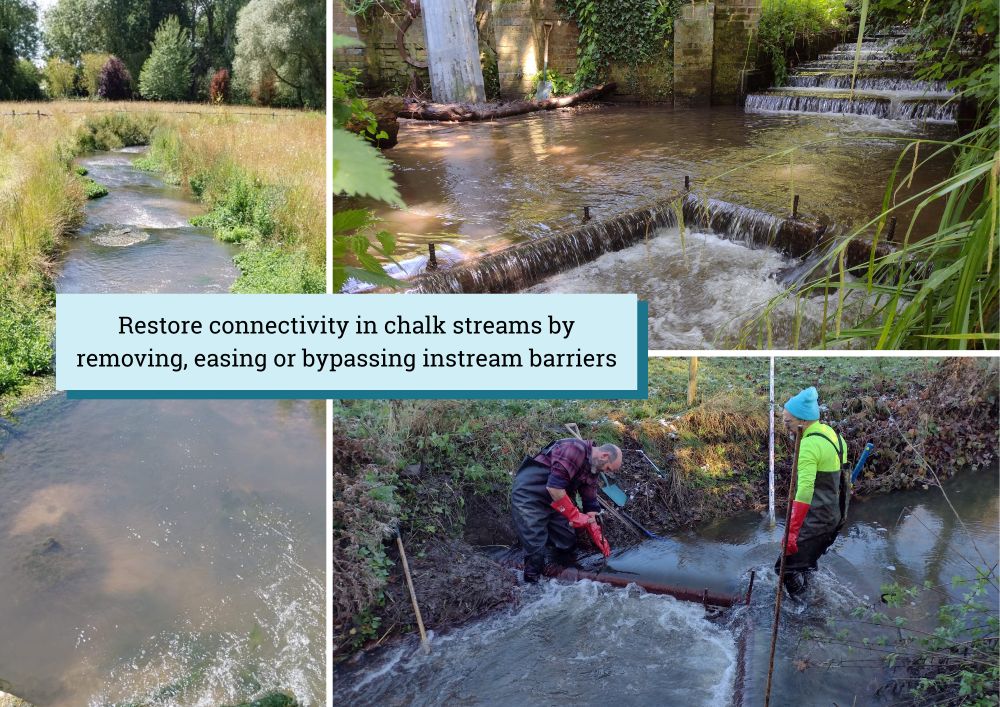
Further pressures on their ecological health come from agricultural runoff, sewage pollution and barriers that restrict the movement of fish and other wildlife.
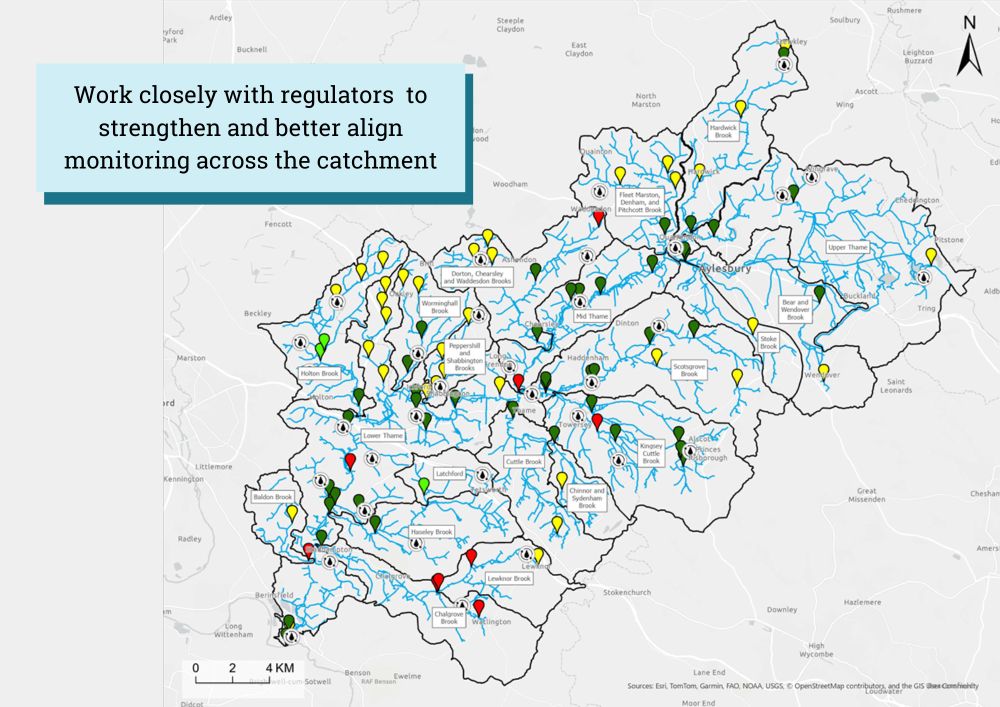
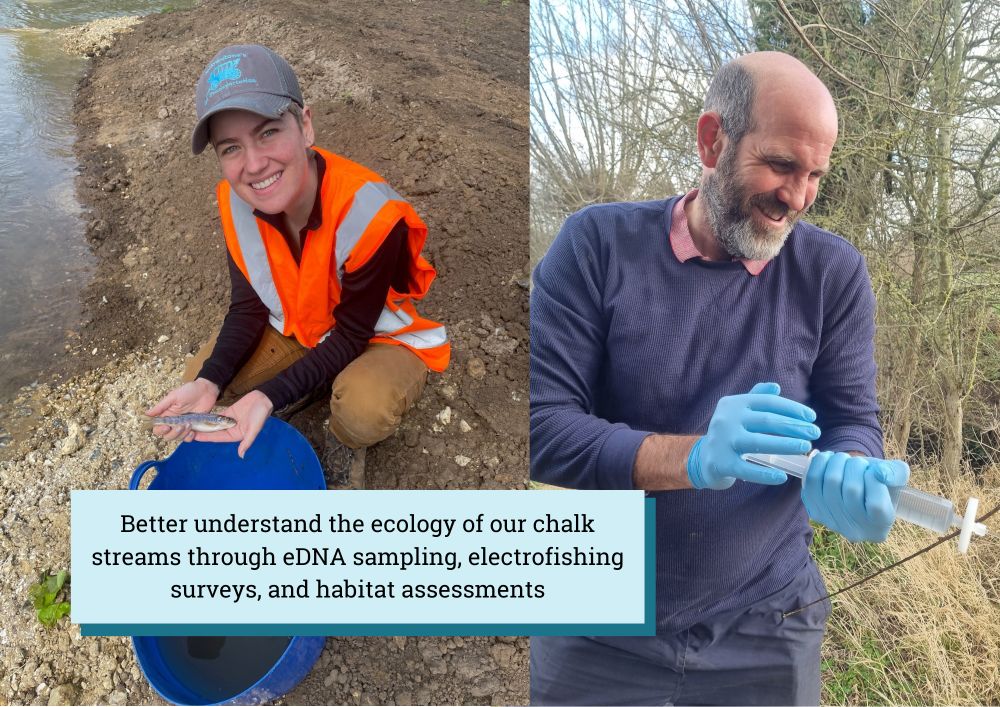
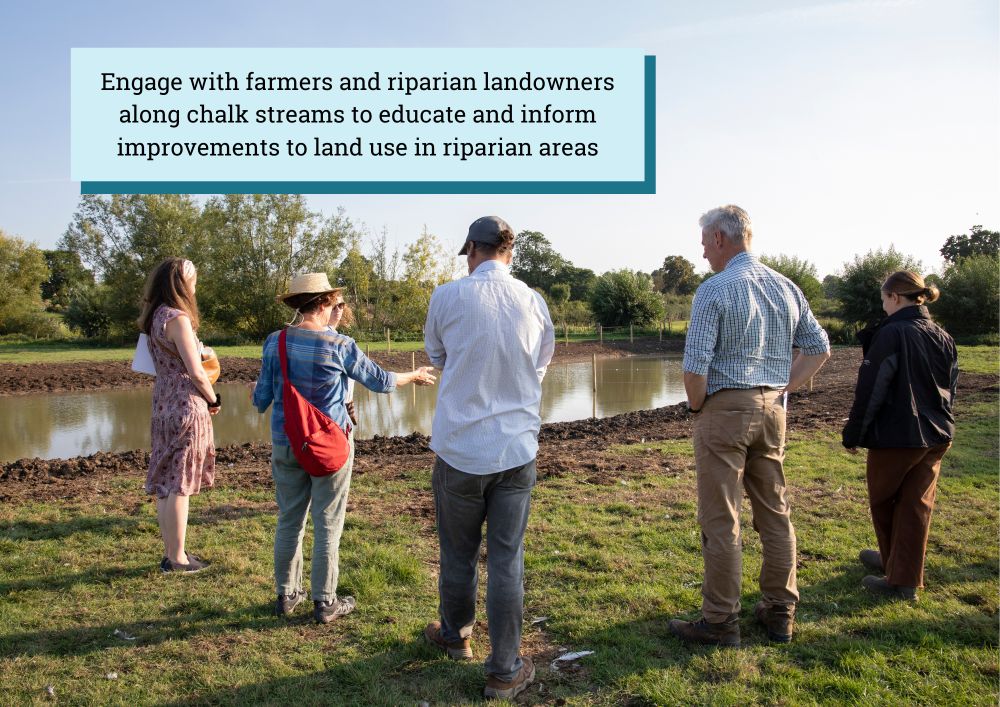
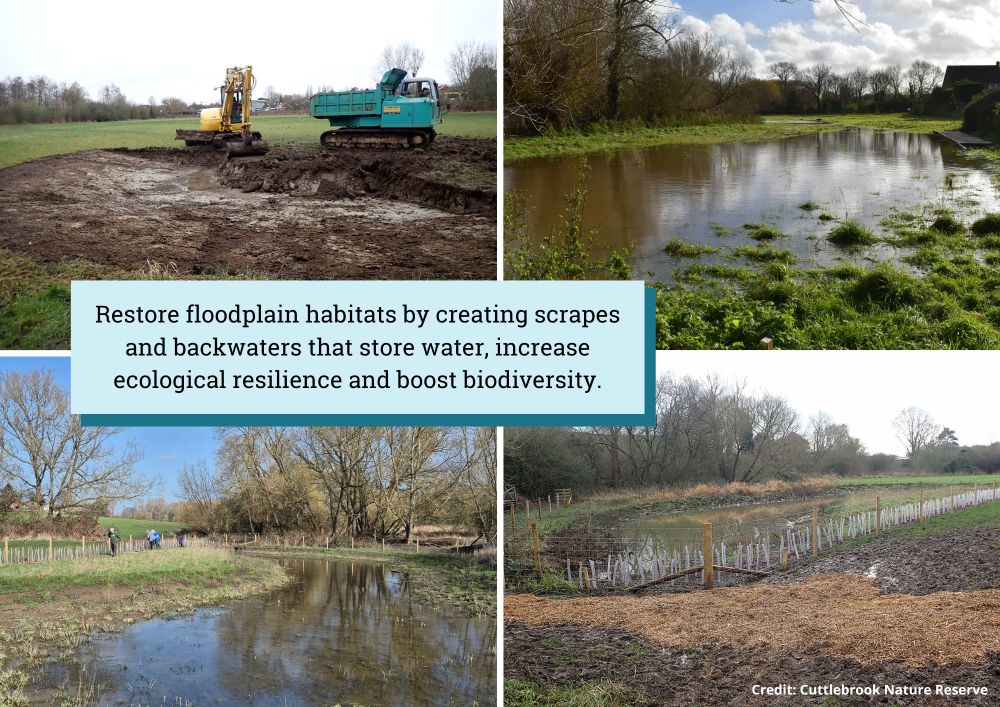
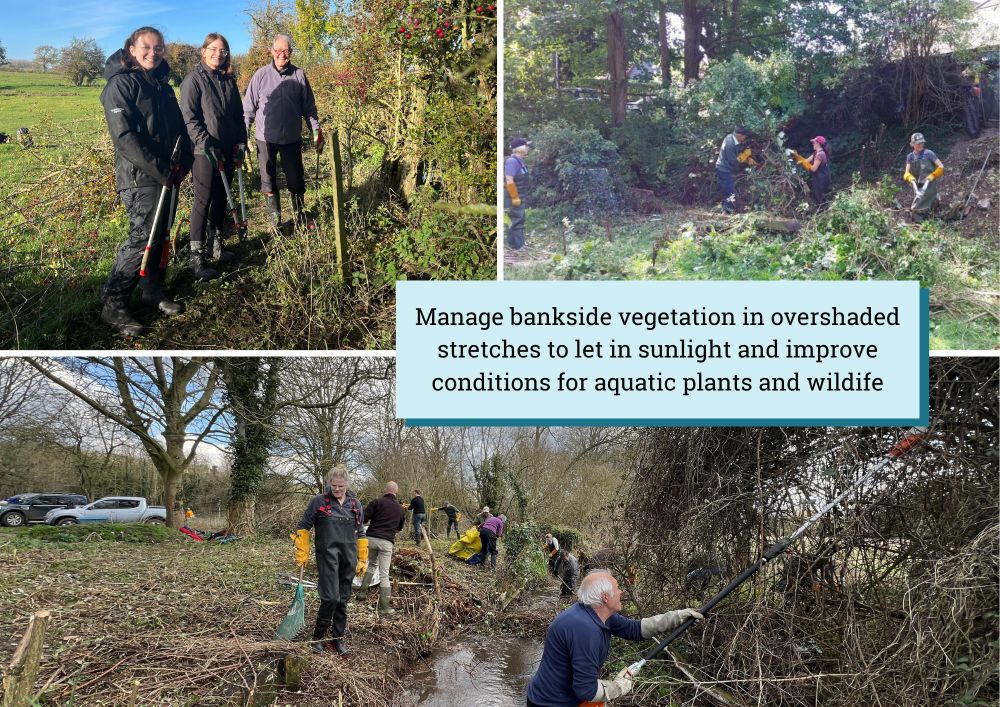
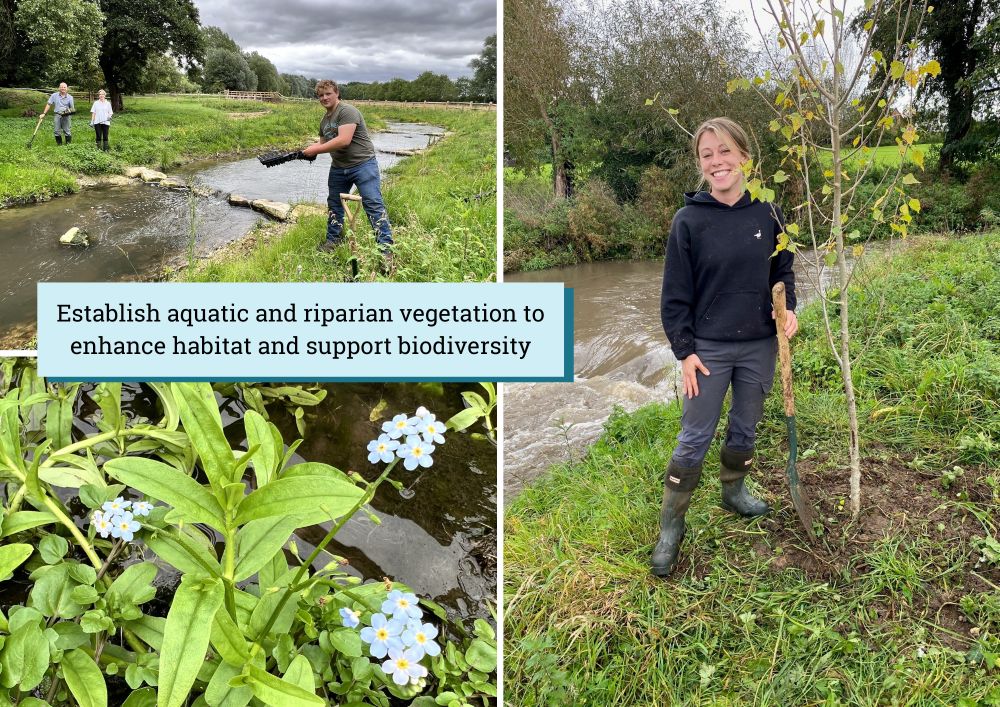
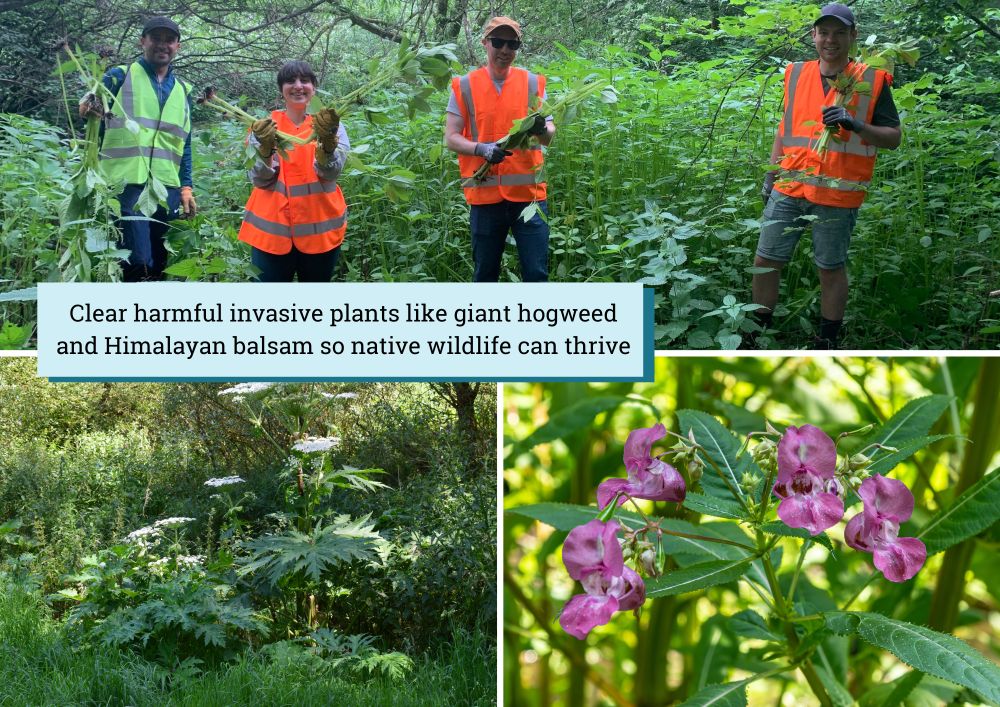
The chalk stream strategy seeks to understand the stresses on our chalk streams, advocate for the respect they deserve and prioritise positive interventions to reestablish and improve the natural habitats and ecosystems that have been neglected, overlooked, over-engineered or derogated, largely by human activity.
The ultimate objective will be to improve river health and habitats to an extent that chalk stream species such as water vole and brown trout can once again thrive throughout the chalk stream network in the Thame catchment, a situation that has not been the case for decades.
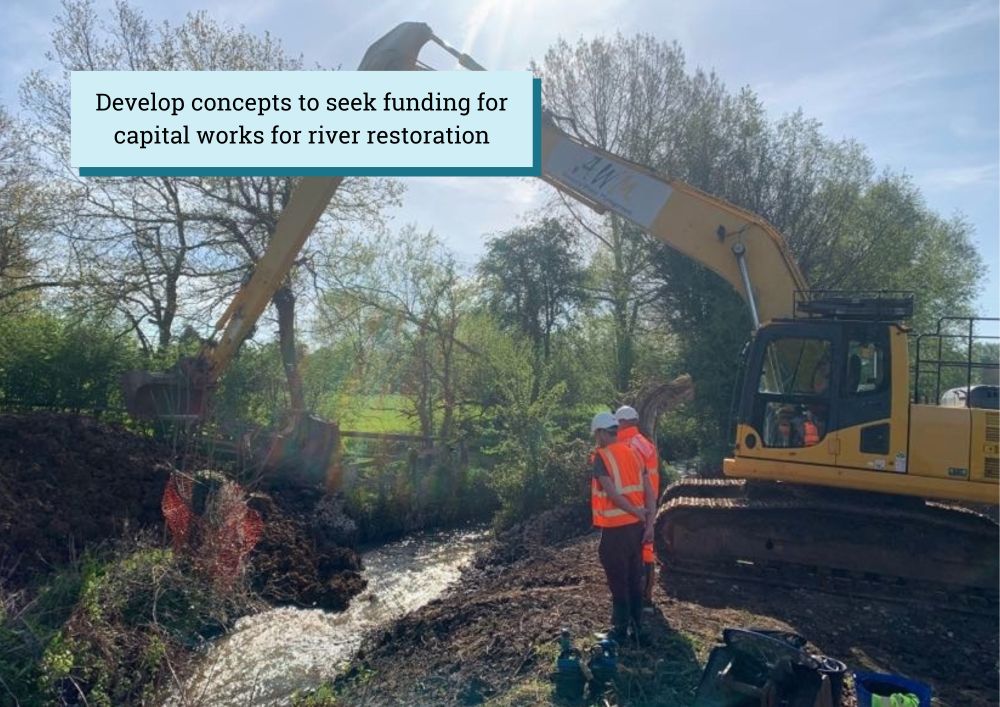
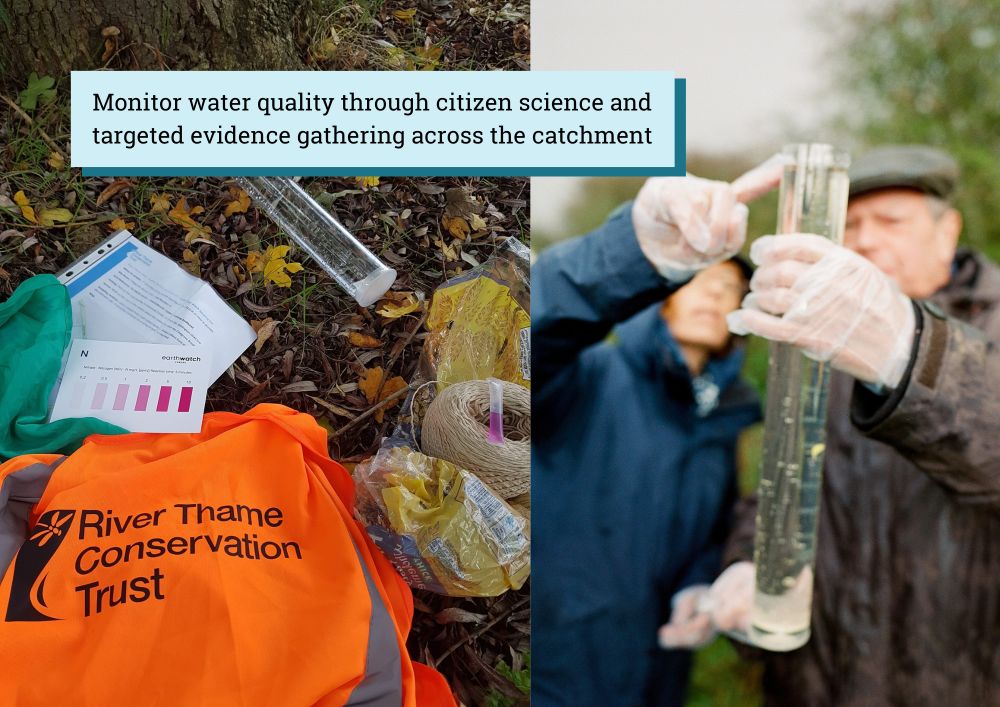
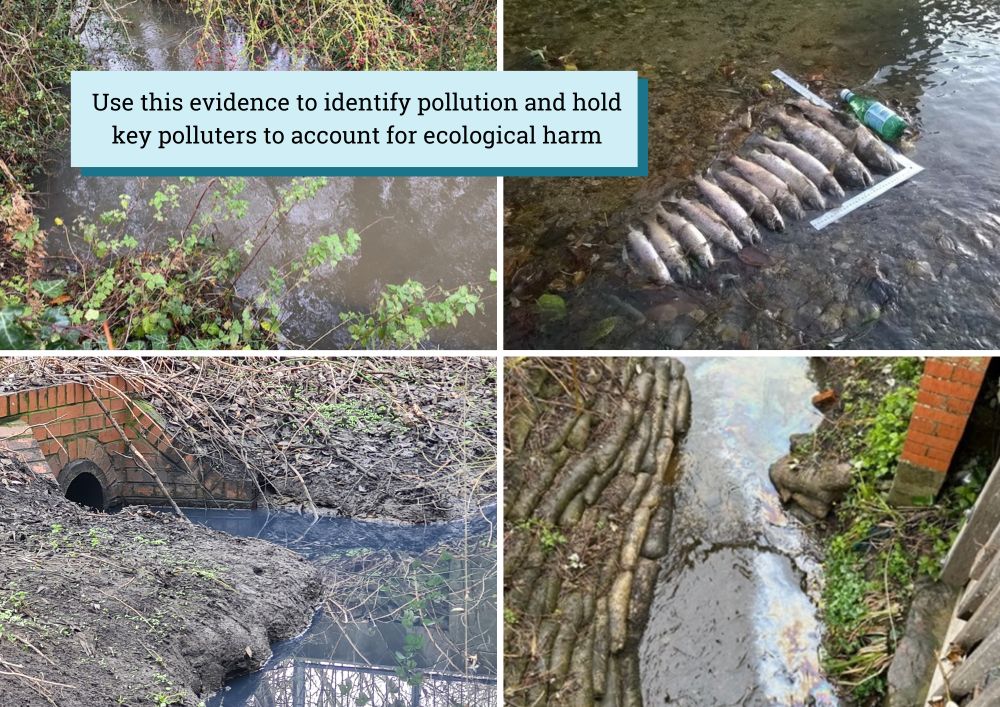
.jpg)



Stay up to date with our work with quarterly updates straight to your inbox
Read past issues of our newsletter here.
We are a small registered charity and rely on grants and donations to keep our important work for wildlife and water quality going.
If you’d like to support us by making a one off or regular donation you can below.


.png)