.png)
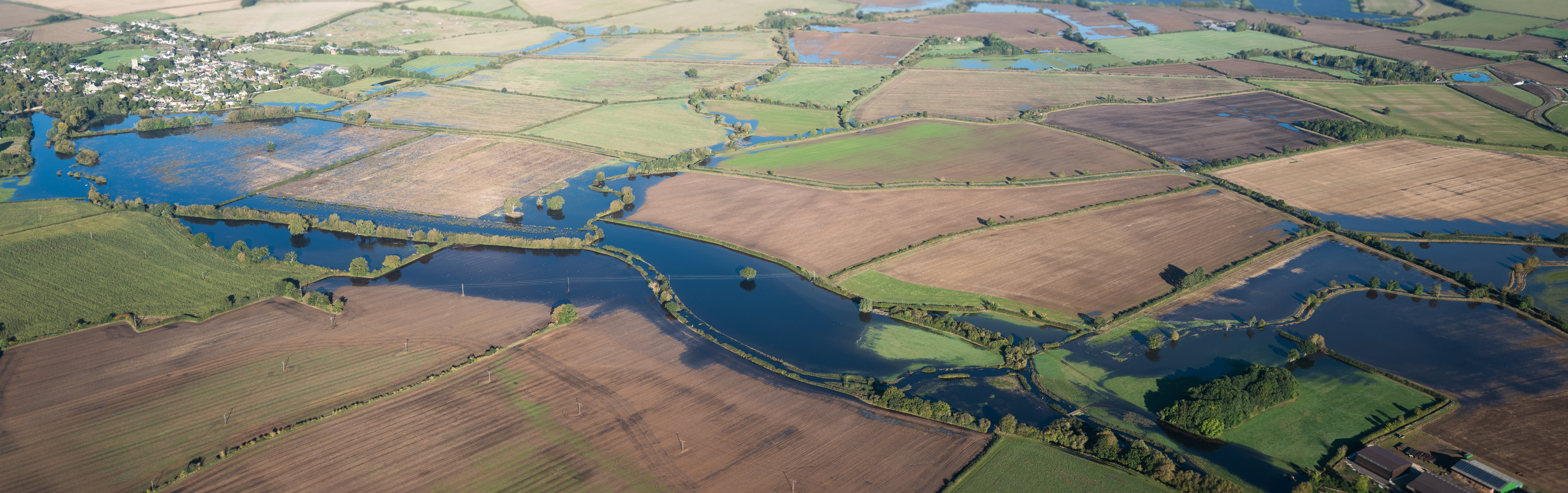
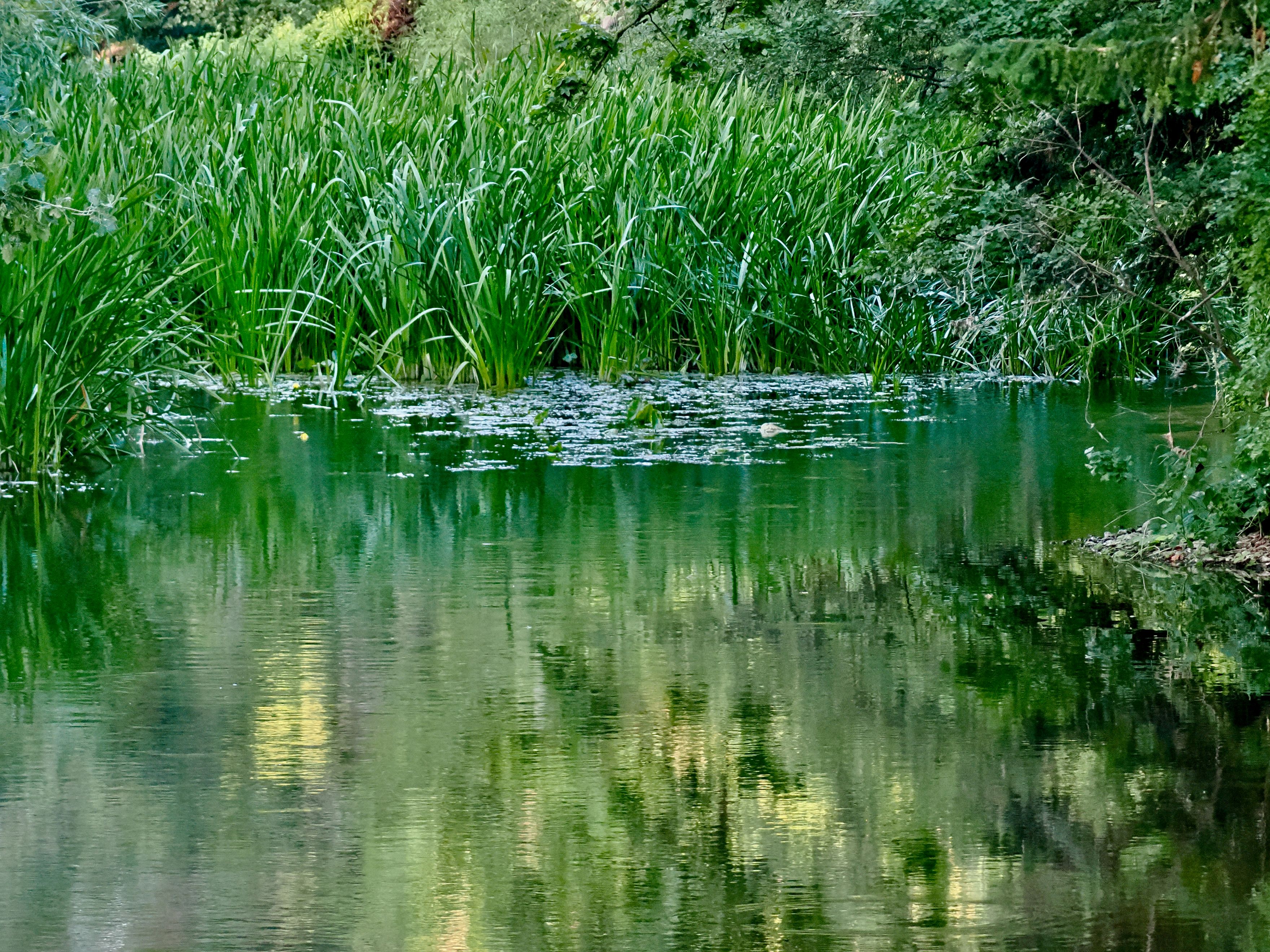
Photo Credit: Conrad Seltzer
The River Thame Conservation Trust (RTCT), together with the Thame Catchment Partnership, is embarking on an exciting new opportunity as one of Thames Water’s new Smarter Water Catchments (SWC).
The River Thame faces many complex challenges, from pollution and pressures on water resources to habitat loss and climate change. Tackling these issues requires collaboration across the whole catchment, and this programme will help bring partners together, strengthen our evidence base and identify practical solutions to improve river health for both people and wildlife.
What is a Smarter Water Catchment?
A Smarter Water Catchment brings together organisations, communities, land managers, businesses and local experts to improve river health by looking at the catchment as one connected system. Working in partnership, it aims to identify practical solutions that support nature recovery, improve water quality and deliver wider benefits for people and communities.
Improving river health requires both major investment in water infrastructure and action across the wider catchment. Significant investment programmes, delivered through the water industry's regulatory framework, are essential to address issues such as sewage infrastructure, water resources and environmental performance. However, many of the challenges facing rivers cannot be solved through infrastructure alone.
Smarter Water Catchments complement these wider investment programmes by bringing together local knowledge, scientific evidence and partnership working to identify where nature-based solutions, catchment-scale action and collaborative approaches can make the greatest difference. The aim is not to replace existing investment, but to help ensure it is supported by a coordinated, evidence-led approach across the catchment.
The Thame Smarter Water Catchment is a multi-year programme running from 2026 to 2030, aligned with Thames Water's current five-year investment cycle (AMP8). Rather than focusing solely on individual projects, it will help build the partnerships, evidence and opportunities needed to secure long-term improvements for the river.
This approach has already been tested through the Smarter Water Catchment pilots on the River Chess and River Crane. Both programmes have continued beyond their original five-year pilot period into a second investment cycle, demonstrating the long-term value of this way of working. We hope the Thame programme can build on that success.
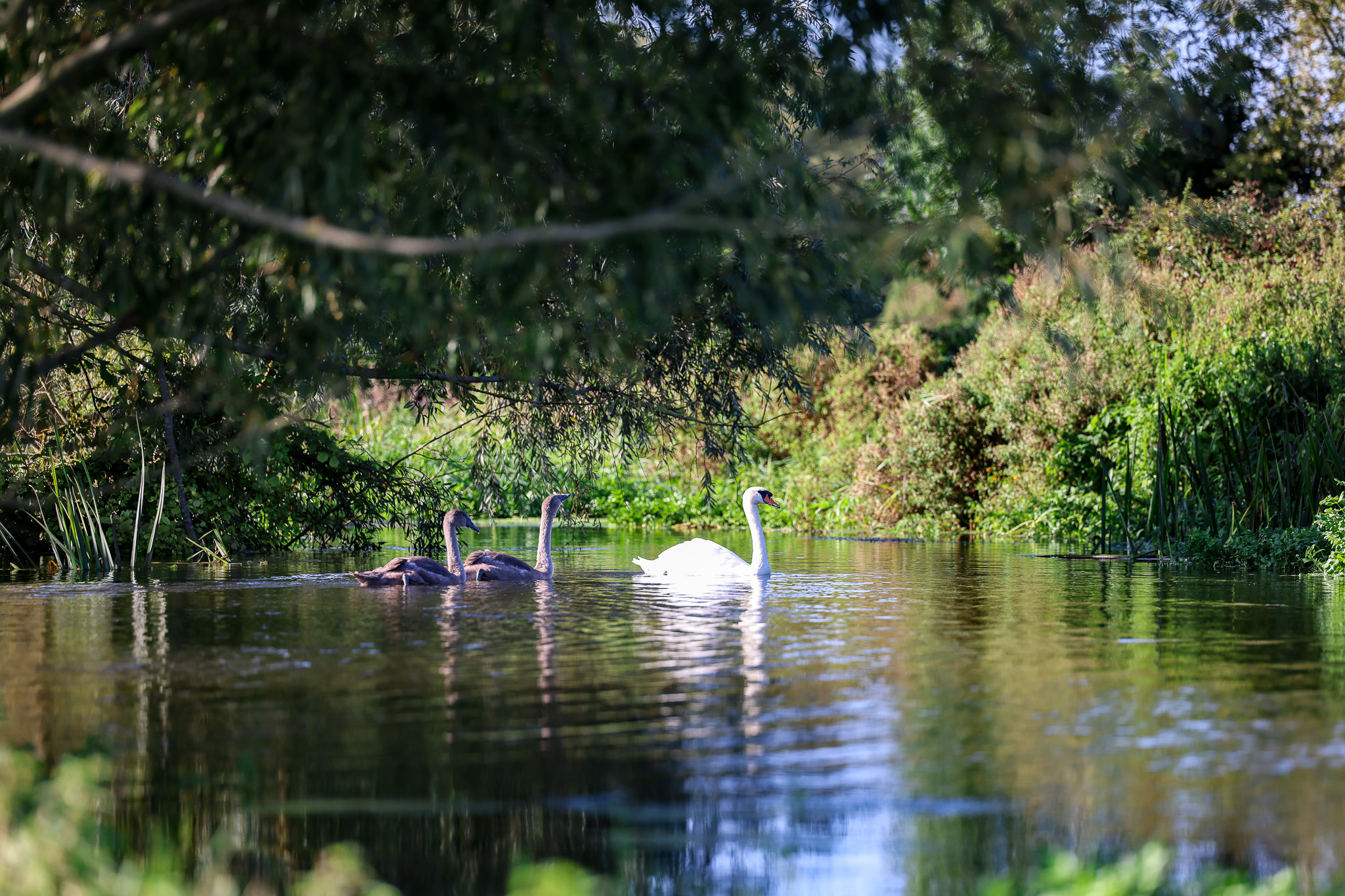
The River Thame faces many of the pressures affecting rivers across England. Poor water quality, sewage discharges, pollution from agriculture and urban areas, changes in land use, the loss and degradation of habitats, past and present modifications to rivers, climate change and pressures on water availability all influence the health of the river and its wider catchment.
Stretching across approximately 675 km² of Oxfordshire and Buckinghamshire (and a small segment of Hertfordshire), the Thame catchment is a complex network of landscapes, watercourses and communities. Addressing these challenges requires looking beyond individual issues or locations and understanding how the whole catchment functions as a connected system.
River Thame Conservation Trust already works alongside farmers, communities, researchers, local authorities and environmental organisations to develop collaborative approaches to improving river health. This existing partnership network provides the foundations for the Smarter Water Catchment approach.
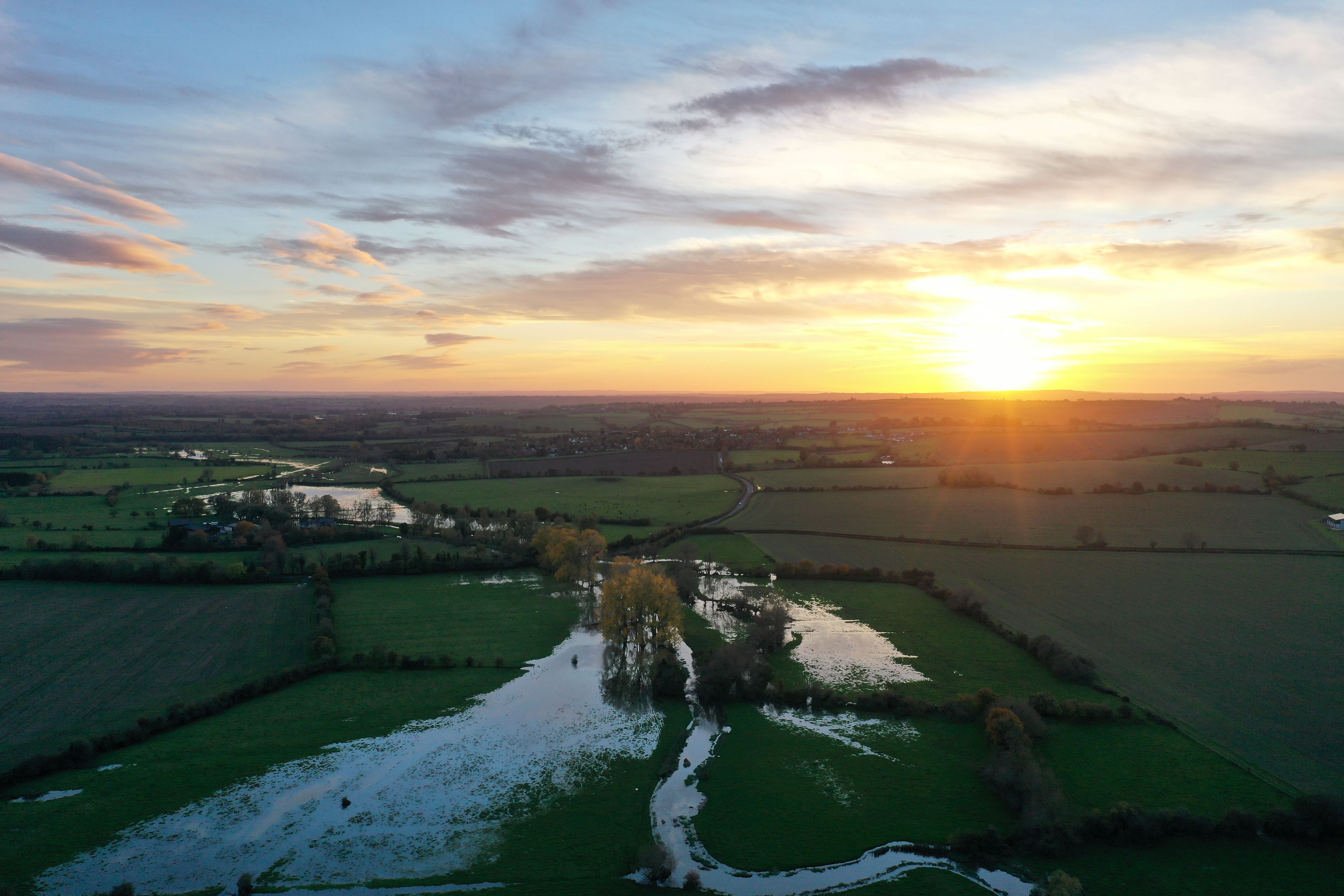
The Thame Smarter Water Catchment is a long-term programme, and meaningful improvements to river health take time. Over the next four years, we will work with partners from across the catchment to build the knowledge, relationships and opportunities needed to deliver lasting change.
Over the coming years, the programme aims to:
build a stronger understanding of the pressures affecting the River Thame and its tributaries;
develop a shared vision and restoration plan for the catchment;
identify opportunities for nature-based solutions that can improve water quality, support nature recovery and increase resilience to climate change;
strengthen collaboration between communities, land managers, researchers, local authorities, environmental organisations and water companies;
develop a pipeline of projects that can attract future investment and deliver lasting benefits for rivers, wildlife and people.
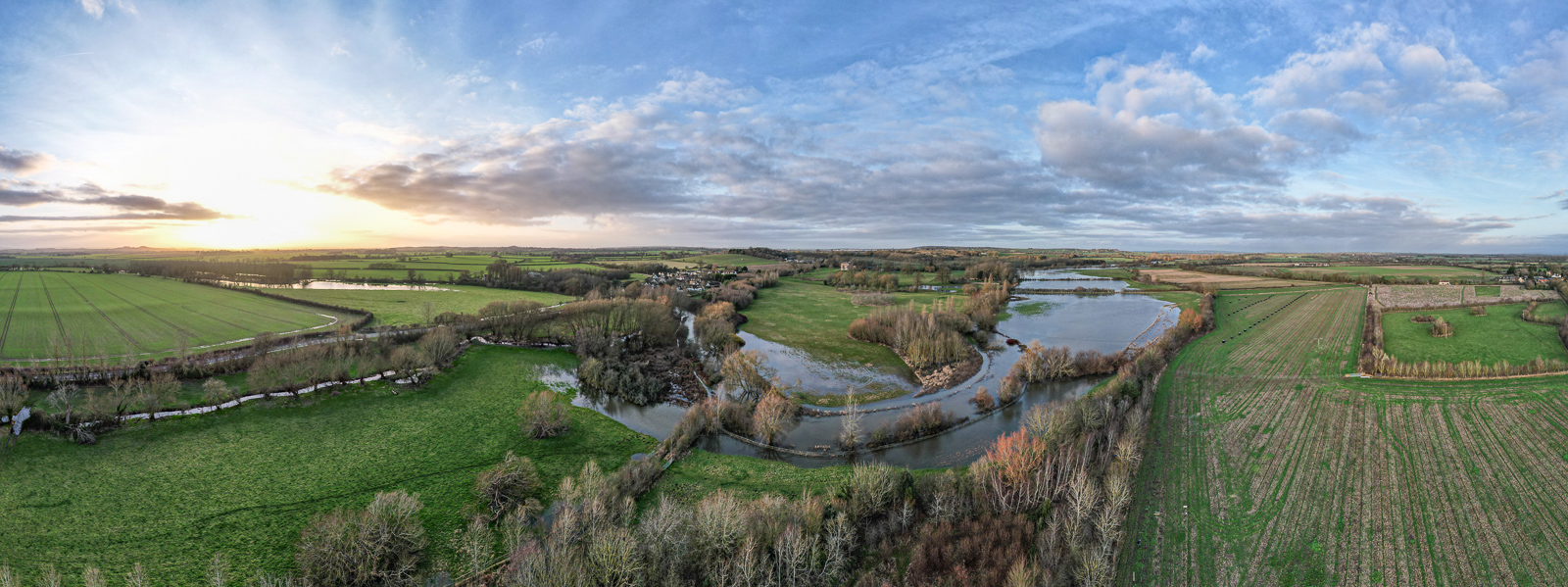
The first year of the programme will focus on establishing the foundations needed for effective long-term delivery.
Working with partners across the catchment, we will:
develop a shared vision and objectives for the programme;
agree how the partnership will work and establish its governance arrangements;
strengthen the evidence base for river health across the catchment;
work with researchers, universities and partner organisations to analyse existing data, identify knowledge gaps and improve understanding of the sources of pollution and ecological pressures;
identify where action is likely to have the greatest impact for water quality, biodiversity and the resilience of the catchment;
begin developing future projects and partnerships that can support delivery over the coming years.
This is an ambitious and innovative programme. There is no fixed blueprint for working in this way, and part of the opportunity is to learn, adapt and develop new approaches as the partnership grows.
David Fraser, CEO of River Thame Conservation Trust, said:
"Ultimately, our decision to take on leading the Thame Smarter Water Catchment came down to one simple question: what's best for the river? We believe the programme gives us an opportunity to bring together the people, evidence and partnerships needed to tackle some of the River Thame's biggest challenges. We're under no illusion that this will be easy, but it's an ambitious opportunity to try a different way of working, and one we're excited to be part of."
We’ll be sharing regular updates as the programme develops, including new research, emerging partnerships and the projects and opportunities that grow from this work over the coming months and years.
Stay up to date with our work with quarterly updates straight to your inbox
We will hold your data in accordance with GDPR law and you data will never be passed onto a third party without your prior permission.
Read past issues of our newsletter here.
We are a small registered charity and rely on grants and donations to keep our important work for wildlife and water quality going.
If you’d like to support us by making a one off or regular donation you can below.
.png)


.png)